Introduction: The Dawn of the Artist-Entrepreneur
Listen, you’re in this for the long game. You’re dedicated to building a sustainable, profitable career that outlives fleeting trends, and you’re ready to crush the misconception that artists don’t—or shouldn’t—care about the business side of music.
The truth is, if you don’t care, someone else will, and at your expense.
The music industry is undergoing a seismic shift, one that’s redefining success for the independent creator. In this new landscape, your most valuable asset isn’t the next hit single; it’s the entire catalog of music you create and control. By 2030, your ownership of this asset and your direct relationship with your fans will be the primary drivers of your career. The future belongs to the artist who operates as a savvy entrepreneur, and this is your blueprint.
1. The Great Recalibration: Your Music Catalog is Now an Appreciating Asset
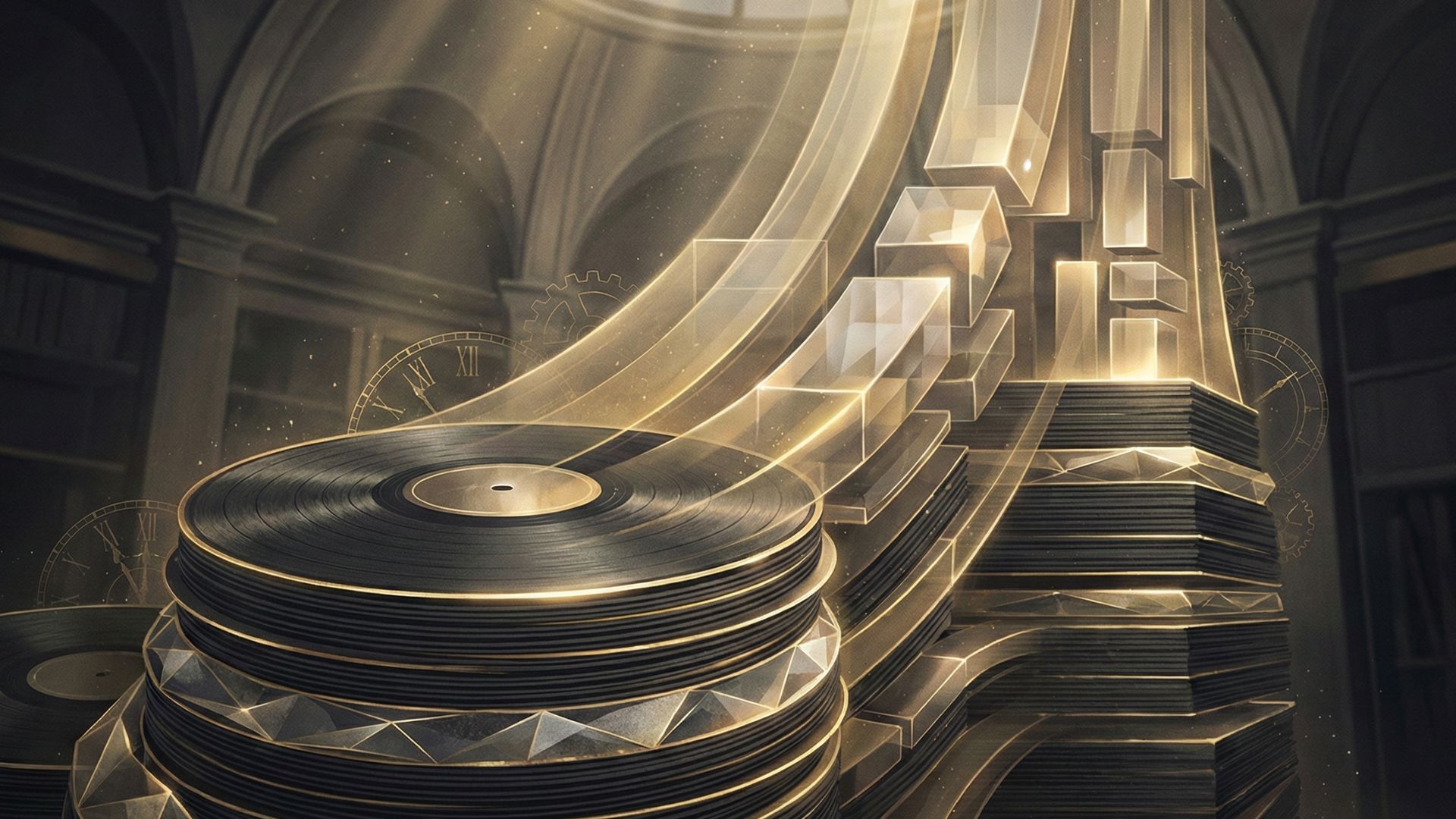
The days of your back catalog being a depreciating collection of old songs are over. Thanks to the dominance of streaming, your music has transformed from a product with a one-time sales value into a financial asset that generates stable, recurring revenue. Music royalties are now seen as “utility-like” revenue; people listen in good times and bad, creating predictable cash flows that are incredibly attractive to serious investors.
This isn’t speculation; it’s a market reality proven by the flow of institutional money:
- Institutional Investment: Since 2019, financial heavyweights like pension funds, private equity giants, and family offices have invested over $20 billion to acquire music catalogs, treating them as a serious, stable asset class.
- High Valuations: Driven by predictable cash flows, catalogs are now trading for high multiples of their annual earnings, often in the 16x to 20x range. This proves that the market sees long-term, reliable value in owning songs.
- Streaming Dominance: Catalog music—defined as songs older than 18 months—now accounts for approximately 72% of total music streaming consumption in the U.S. This demonstrates the powerful and enduring “long-tail” value of older songs in the streaming era.
- Future Growth: Analysts predict that the global music industry’s revenues could double by 2030, fueled by the continued global expansion of streaming. This projected growth means the value of the assets generating that revenue—your songs—is also set to increase.
Your catalog is no longer a depreciating archive. It is a financial asset with a proven track record and significant potential for future appreciation.
2. The New Rules of Engagement: Owning Your Audience is Owning Your Future
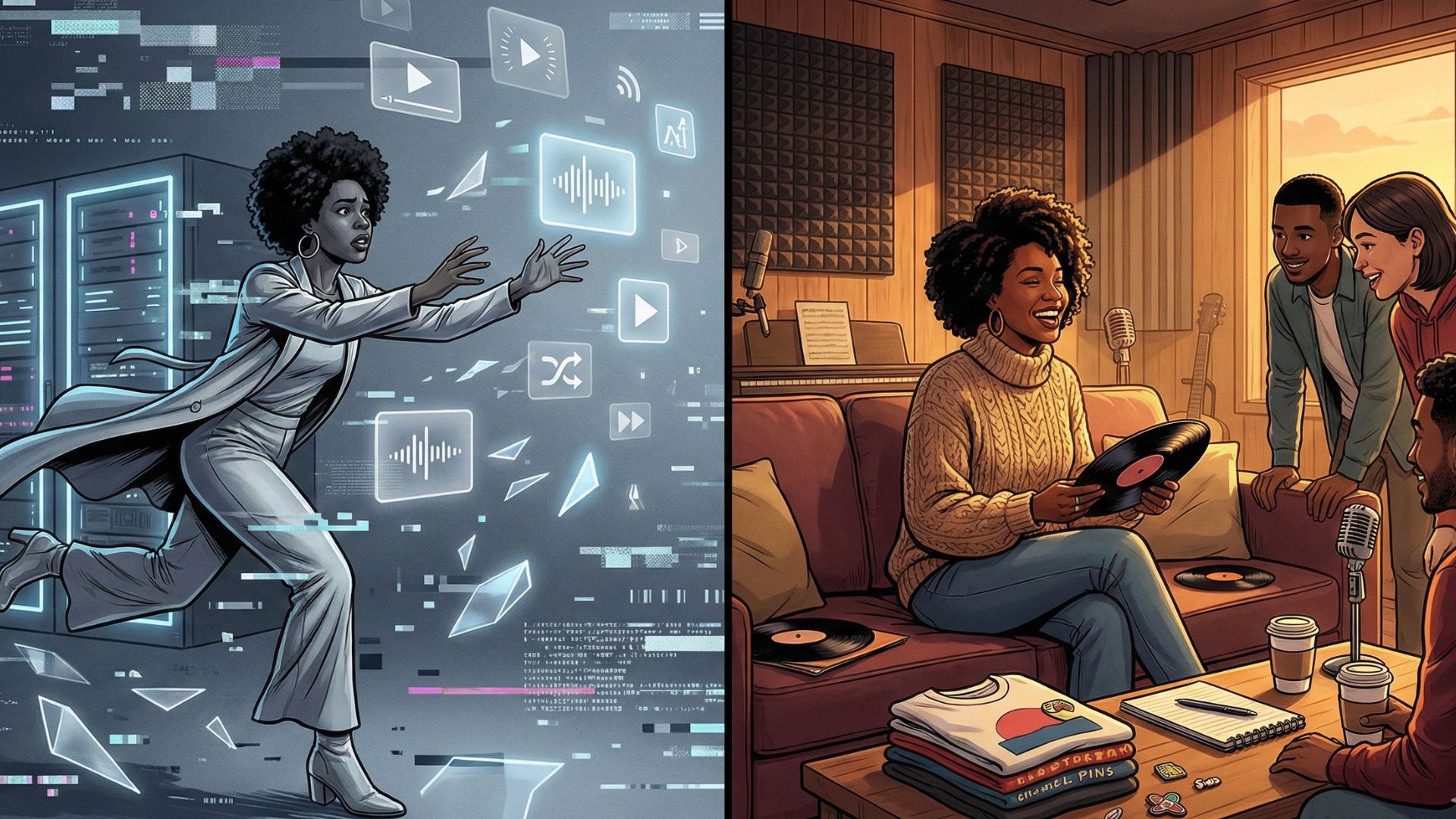
While your catalog’s value grows, a parallel shift is happening in the artist-fan relationship. As one industry expert put it, “When your entire business depends on distribution models you don’t control, you’re not owning your future. You’re renting it.” This leaves your career vulnerable and limits your earning potential.
As we approach 2030, the artists who thrive will be those who move their followers from third-party platforms into an ecosystem they control. The current system has critical limitations:
- No Direct-to-Fan Relationships: Streaming services act as intermediaries, actively preventing you from collecting vital fan data like emails and phone numbers. You drive the traffic, but they own the connection.
- Withheld Data: You receive only surface-level analytics, while platforms withhold the detailed demographic and behavioral data you need to truly understand, segment, and serve your audience.
- Algorithmic Risk: Your reach and revenue are subject to the whims of algorithms you don’t control. Because these algorithms favor high-streaming artists, you must constantly release new music just to stay relevant.
- Low Payouts: The pro-rata streaming model disproportionately benefits the top 1% of artists, making it incredibly difficult to build a sustainable career on stream revenue alone.
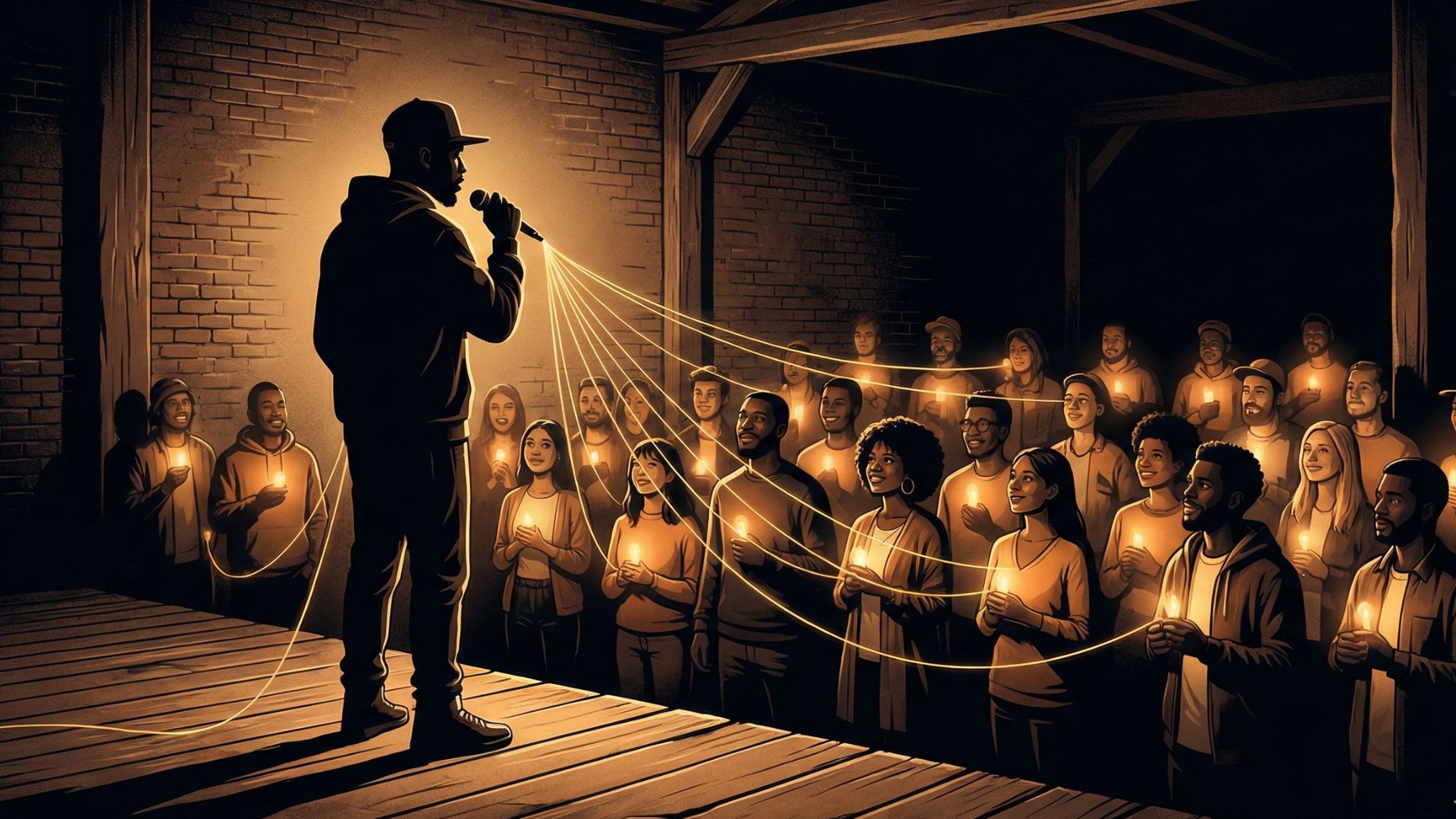
The solution is to focus on your “superfans.” These aren’t just listeners; they are collectors, advocates, and community-builders who want more than streams. They want connection, access, and experiences. The financial impact is staggering: established artists using direct-to-fan platforms are generating 2-3 times their yearly streaming revenue from superfans from a single release.
Unequivocally, your fan data is one of the most valuable assets you can have. It gives you the power to communicate directly, build a resilient business, and own your future, independent of any platform.
3. The Blueprint for 2030: Fortifying Your Catalog’s Value
When I got active, the music industry was undergoing a major shift. My gut told me from the beginning that I needed to move differently. Operating as just an artist felt limiting; I had my sights set on building a label and an ecosystem. This blueprint is built on that hard-won experience. To capitalize on these industry shifts, you must act with intention.
Step 1: Control Your IP, Control Your Future
The music business is financial literacy in motion. You have to treat your career like a business, not a hobby, and that starts with understanding and protecting your intellectual property. Every piece of music you create has two distinct copyrights that are the core intellectual property assets around which your entire business is built.
- The Master Recording: This is the copyright for the actual sound recording—the final produced track.
- The Song Composition (Publishing): This is the copyright for the underlying lyrics and melody—the song itself.
You must learn how to protect and leverage both of these assets to collect all your money, create new revenue streams, and build long-term equity. Handle your business now.
Step 2: Move from Renting to Owning Your Audience
The core objective here is to strategically move traffic from platforms you rent (like social media) to a destination you own (your website and email/SMS list). This makes you immune to algorithm changes. I break it down into four “C’s”:
- Create Attention: We use social media to create the attention. Platforms like TikTok and Instagram are perfect for telling your story, sharing your process, and creating engaging content that captures interest.
- Capture Attention: You have to extend an offer. Make it something valuable—an exclusive song, a behind-the-scenes video, a free demo—that requires fans to arrive at a destination you own, like your website, to capture that offer. In exchange, you capture their contact information.
- Convert Attention: Once you have that direct line of communication, you are a better equipped and more informed marketer. Nurture the relationship by providing consistent value to convert those fans into paying customers.
- Convert to Currency: This is where you sell your vinyl, your CDs, your digital downloads, your subscriptions, and your tickets.
Your email list and a customer relationship management (CRM) tool are the essential infrastructure for owning your audience and building a truly independent business.
Step 3: Diversify Beyond the Stream
Let’s be real about streaming payouts. Revenue from streaming and publishing can take many months to generate and pay out, so while that’s happening, you need to provide other pathways to convert listeners into customers. The most successful independent artists build multiple revenue streams around their core IP.
- Merchandise & Physical Products: Go beyond standard t-shirts. Offer limited-edition vinyl, signed posters, and exclusive bundles that give your superfans a tangible connection to your art.
- Digital Products: Sell exclusive digital downloads, fan club subscriptions, or access to private online events directly from your own platform.
- Licensing Opportunities: Actively pursue placing your music in film, TV shows, commercials, and video games. A single sync placement can generate significant upfront fees and long-term performance royalties for years to come.
4. Conclusion: Your Catalog, Your Legacy
The future of the music industry belongs to the independent artist who is also a strategic entrepreneur. The rules have changed. Your back catalog is now an appreciating asset class, and your direct connection with fans is your most powerful lever for growth.
By solidifying your business foundation, owning your audience, and diversifying your income, you are not just making a living—you are building an empire. Your catalog becomes more than a collection of songs; it is the foundation of your long-term business, your creative freedom, and your lasting legacy.
Creating great music and sustaining yourself through it all? That there, my friend, is the ultimate flex. The time to take control and start building is now.